Why Seoul Locals Don't Make Tteokbokki Like Your Recipe
May 30, 2026

The Secret Behind Authentic Seoul-Style Tteokbokki
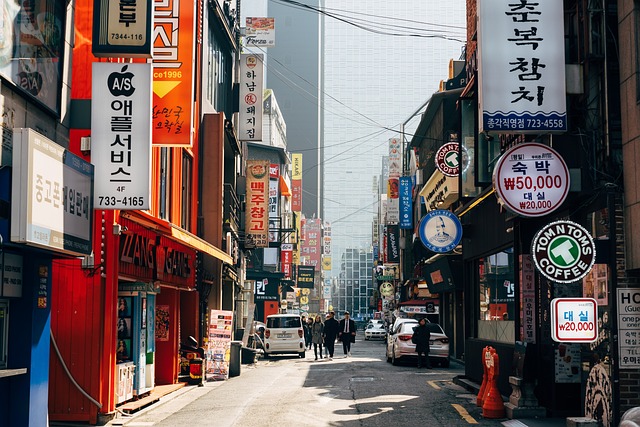
Walk through any Seoul street market, and you'll smell it before you see it – that sweet, spicy aroma of tteokbokki bubbling away in massive pans. But here's what most recipe blogs won't tell you: the tteokbokki you've been making at home probably tastes nothing like what Seoulites actually eat.
After spending years documenting Korean street food culture, I've discovered that authentic Seoul tteokbokki has specific techniques and ingredients that make all the difference. The vendors who've been perfecting their recipes for decades use methods you won't find in typical online tutorials.
Today, I'm sharing the real secrets behind Seoul's best tteokbokki, plus where locals actually go to get their fix – not the tourist traps, but the hidden gems that have been serving the same families for generations.
The Authentic Seoul Tteokbokki Recipe That Actually Works
The Foundation: Gochujang Sauce That Doesn't Disappoint
Most home cooks make one critical mistake: they use gochujang straight from the container. Real Seoul tteokbokki sauce starts with tempering the gochujang with anchovy stock, not water or plain dashi.
Here's the authentic base recipe that Seoul vendors swear by:
- 4 tablespoons aged gochujang (at least 2 years old for deeper flavor)
- 2 cups anchovy stock (made from dried anchovies and kelp)
- 2 tablespoons rice syrup (not corn syrup or sugar)
- 1 tablespoon soy sauce
- 1 teaspoon minced garlic
- 1/2 onion, finely grated
The secret is in the anchovy stock preparation. Boil 10-12 large dried anchovies with a piece of kelp for 20 minutes, then strain. This creates the umami foundation that separates authentic tteokbokki from the watery versions.
Rice Cake Selection: Why Brand Matters
Seoul vendors are extremely particular about their rice cakes. They use fresh garaetteok that's been made within 24 hours, not the frozen variety most home cooks settle for.
If you can't find fresh rice cakes, here's the Seoul vendor trick: soak frozen rice cakes in warm water for exactly 30 minutes before cooking. This prevents the mushy texture that ruins most homemade attempts.
The Complete Authentic Recipe
Ingredients for 4 servings:
- 500g fresh or properly soaked rice cakes
- 200g fish cake, cut into bite-sized pieces
- 2 hard-boiled eggs
- 2 green onions, chopped
- Optional: 100g cabbage, roughly chopped
Cooking method: In a wide, shallow pan, bring your anchovy stock to a boil. Add the gochujang mixture and whisk until completely smooth. Add rice cakes and simmer for 8-10 minutes until they're tender but still have bite.
Add fish cake and cabbage in the last 3 minutes. The sauce should coat everything glossily without being too thick. Finish with chopped green onions and serve immediately while bubbling hot.

Where Seoul Locals Actually Eat Tteokbokki
Sindang-dong: The Tteokbokki Capital
Sindang-dong is considered the birthplace of modern tteokbokki, and it's where serious Seoul food lovers go for the real thing. This neighborhood has been perfecting tteokbokki recipes since the 1950s, and the competition between vendors is fierce.
The area around Sindang Station Exit 9 hosts several legendary tteokbokki restaurants that have been family-run for over 40 years. Look for the places with plastic stools and long lines of office workers during lunch hours – these are your indicators of authenticity.
What makes Sindang-dong special is their "royal tteokbokki" style, which includes additional ingredients like tempura, sundae (blood sausage), and various fried items. Expect to pay around ₩3,000-5,000 per serving for the basic version.
Gwangjang Market: Street Food Paradise
While tourists flock to Gwangjang Market for bindaetteok, locals know it's also home to some of Seoul's best traditional tteokbokki stalls. The vendors here have been serving the same recipes for generations.
Head to the eastern section of the market where the permanent food stalls are located. The best tteokbokki here is served in the traditional style – simpler ingredients but perfect execution. Prices range from ₩2,000-4,000 per portion.
Pro tip: Visit during weekday afternoons when locals are doing their shopping. The vendors are more relaxed and often willing to share cooking tips if you show genuine interest.
University Areas: Modern Innovation
Hongdae and Gangnam areas offer modern takes on traditional tteokbokki that younger Seoulites love. These spots often fusion Korean flavors with international influences, creating unique variations you won't find anywhere else.
Near Hongik University, several late-night tteokbokki spots serve "cheese tteokbokki" and "rose tteokbokki" (with cream sauce) that have become incredibly popular with the younger crowd. Expect to pay ₩4,000-7,000 for specialty versions.
These modern interpretations might not be traditional, but they represent how Seoul's food culture continues to evolve while respecting its roots.

Insider Tips for the Perfect Tteokbokki Experience
Shopping for Ingredients in Seoul
If you're visiting Seoul and want to recreate authentic tteokbokki at home, Namdaemun Market is your best bet for ingredients. The vendors here supply many of the street food stalls, so you're getting the same quality ingredients.
Look for aged gochujang – the packages will have manufacturing dates. Anything over 18 months old will give you deeper, more complex flavors. Fresh rice cakes are usually available in the morning, but they sell out quickly.
Timing Your Visit
Seoul tteokbokki culture has specific rhythms. Late afternoon (3-5 PM) is when many vendors start fresh batches, ensuring you get the best texture and flavor. Evening hours bring crowds but also the most vibrant atmosphere.
Avoid lunch hours (12-1 PM) at popular spots unless you enjoy waiting. Many locals grab tteokbokki as an afternoon snack or late-night meal rather than lunch.
Etiquette and Ordering
At traditional stalls, you'll often share tables with strangers – this is completely normal. Don't be surprised if locals strike up conversations; tteokbokki places are social spaces where Seoul's community spirit shines.
Most places offer different spice levels. If you're not used to Korean heat, ask for "덜 맵게 해주세요" (deol maepge haejuseyo) which means "make it less spicy." Vendors are usually accommodating to foreign visitors.
Frequently Asked Questions
Can I make authentic tteokbokki without anchovy stock?
While vegetarian versions exist, authentic Seoul-style tteokbokki relies heavily on anchovy stock for its distinctive umami flavor. You can substitute with a rich vegetable stock made from kelp, mushrooms, and onions, but the taste will be noticeably different. Many Seoul vendors consider the anchovy stock non-negotiable for traditional flavor.
How spicy is authentic Seoul tteokbokki compared to other Korean dishes?
Authentic Seoul tteokbokki is moderately spicy – less intense than kimchi jjigae or buldak but spicier than bulgogi. The sweetness from rice syrup balances the heat, making it accessible to most people. However, spice tolerance varies greatly among Seoul vendors, so don't hesitate to ask about heat levels when ordering.
What's the difference between street cart tteokbokki and restaurant versions?
Street cart tteokbokki tends to be simpler with basic ingredients and focuses on the sauce and rice cake quality. Restaurant versions often include more variety – different vegetables, proteins, and side dishes. Street carts usually offer better value (₩2,000-3,000) while restaurants provide more comfortable seating and expanded menus (₩5,000-8,000). Both can be equally authentic depending on the vendor's expertise.
Seoul's tteokbokki scene represents more than just street food – it's a window into Korean comfort food culture and community dining traditions. Whether you're recreating these recipes at home or planning to experience them firsthand, understanding the authentic techniques and local customs will deepen your appreciation for this beloved Korean dish.
Planning a trip to Korea? Find the best beauty clinics with AI at KBBG (kbeautybuyersguide.com).
K-POP QUIZ
✨ Which K-Pop Idol Are You?
10 questions · 20 idols · BTS, BLACKPINK, IVE & more
Find Your Idol Match →Watch on K-MEDI TV
Find Your Perfect Korean Clinic
Get personalized AI recommendations from verified government data
Try KBBG AI Search →