7 Korean Street Foods Locals Never Tell Tourists About
May 29, 2026

The Hidden World of Korean Street Food Culture
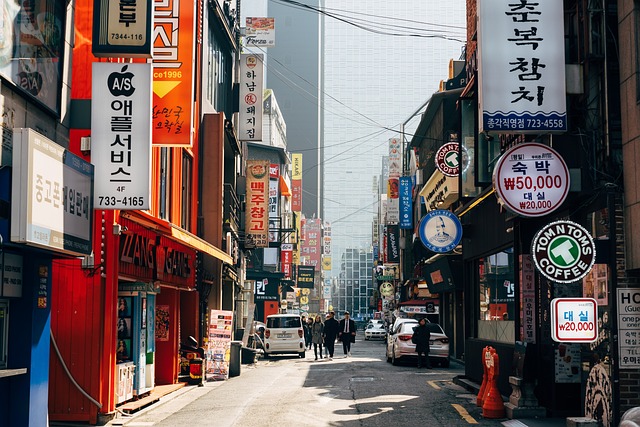
Walking through Seoul's bustling streets, you'll notice the intoxicating aromas wafting from countless food stalls and pojangmacha (street food tents). While most tourists flock to the famous tteokbokki and hotteok stands, there's an entire universe of incredible Korean street foods that locals keep to themselves.
Korean street food culture runs deeper than just quick snacks — it's a social experience that brings people together over shared flavors and memories. Understanding this culture will transform your Korean food adventure from basic tourist spots to authentic local experiences.
Essential Korean Street Foods Every Tourist Should Try
The Famous Classics
Tteokbokki remains Korea's most beloved street food for good reason. These chewy rice cakes swimming in spicy-sweet gochujang sauce cost around ₩3,000-₩5,000 ($2-4) per serving. Look for stalls where locals are gathered — that's always your best bet for authentic flavors.
Hotteok transforms cold Korean winters into sweet comfort. These pancakes filled with brown sugar, cinnamon, and nuts are crispy outside and molten inside. Expect to pay ₩2,000-₩3,000 ($1.50-2.50) each, and always eat them immediately while hot.
Korean corn dogs (hotdogs) have evolved far beyond their American cousins. Coated in potato cubes, ramen noodles, or rice puffs, then deep-fried to golden perfection, they cost ₩3,000-₩6,000 ($2-5) depending on the coating complexity.
The Hidden Local Favorites
Mayak gimbap translates to "drug gimbap" because they're impossibly addictive. These mini rice rolls served with mustard sauce are perfect for snacking while exploring. A plate typically costs ₩4,000-₩6,000 ($3-5) for 10-12 pieces.
Sundae might sound like dessert, but it's actually Korean blood sausage stuffed with glass noodles and rice. Don't let the description scare you — the taste is mild and comforting. You'll find it for ₩5,000-₩8,000 ($4-6) per serving.
Bungeoppang are fish-shaped pastries filled with sweet red bean paste, cream, or pizza toppings during winter months. These nostalgic treats cost just ₩1,000-₩2,000 ($0.75-1.50) each and are perfect for warming your hands and stomach.
Best Locations for Street Food Adventures
Myeongdong Night Market
Myeongdong offers the most tourist-friendly street food experience with English-speaking vendors and familiar options. While slightly more expensive at ₩4,000-₩8,000 ($3-6) per item, it's perfect for first-time visitors who want to ease into Korean flavors.
The area comes alive after 6 PM when office workers join tourists for evening snacks. Try the famous cheese-stuffed hotteoks and spiral-cut tornado potatoes that have become Instagram sensations.
Gwangjang Market
This 100-year-old market represents authentic Korean street food culture at its finest. Prices are significantly lower here, ranging from ₩2,000-₩5,000 ($1.50-4) per dish, and the quality often surpasses tourist areas.
Don't miss the bindaetteok (mung bean pancakes) and mayak gimbap stalls that have been family-run for generations. The atmosphere is loud, crowded, and absolutely authentic — exactly what Korean street food culture should be.
Hongdae Streets
The youthful energy of Hongdae creates a unique street food scene focused on late-night snacking and innovative fusion foods. You'll find everything from Korean-Mexican fusion tacos to bubble tea hotteoks here.
Prices vary widely from ₩3,000-₩10,000 ($2-8) depending on whether you choose traditional stalls or trendy fusion vendors. The area is perfect for food hopping between multiple stalls in one evening.
Practical Tips for Street Food Success
Timing Your Food Adventures
Korean street food operates on specific rhythms that tourists often miss. Most stalls open around 4 PM and hit peak energy between 6-9 PM when locals finish work. Late-night pojangmacha (tent bars) serve until 3-4 AM for the ultimate Korean experience.
Avoid lunch hours (12-2 PM) when many vendors close for breaks, and remember that some breakfast-focused stalls operate only from 6-10 AM near subway stations.
Payment and Ordering Etiquette
Cash remains king at traditional street food stalls, though card payments are increasingly accepted at modern locations. Always carry small bills (₩1,000, ₩5,000 notes) as vendors often lack change for ₩50,000 bills.
Point at menu pictures or prepared foods if language barriers exist — vendors are accustomed to non-Korean speakers and often appreciate the effort. Learning basic numbers in Korean helps with ordering quantities.
Food Safety and Hygiene
Choose stalls with high turnover where you can see food being prepared fresh. Avoid places where food sits under heat lamps for extended periods, and trust your instincts about cleanliness standards.
Stick to thoroughly cooked items during your first few days while your stomach adjusts to new flavors and spice levels. Korean street food is generally very safe, but gradual introduction prevents digestive discomfort.

Street Food Etiquette and Cultural Tips
Korean street food culture values community and sharing. Don't be surprised if vendors offer small tastes or extra portions — this hospitality reflects Korean culture's emphasis on taking care of guests.
Eat standing at the stall or nearby seating areas rather than walking away with food. This shows respect for the vendor's space and allows you to return utensils or plates properly.
Tipping isn't expected or practiced in Korean street food culture. Simply say "감사합니다" (gamsahamnida - thank you) and dispose of any trash in provided bins before leaving.
Budget Planning for Street Food Tours
A satisfying street food dinner typically costs ₩15,000-₩25,000 ($12-20) per person when trying 4-5 different items. Budget an additional ₩5,000-₩10,000 ($4-8) for drinks, as Korean street food pairs wonderfully with makgeolli or Korean beer.
Tourist areas like Myeongdong and Itaewon charge premium prices, while local markets like Gwangjang or Dongdaemun offer authentic experiences at 30-50% lower costs.
Consider purchasing a T-money card for convenient subway travel between different street food districts — transportation costs add up quickly when food hopping across Seoul.
Seasonal Street Food Specialties
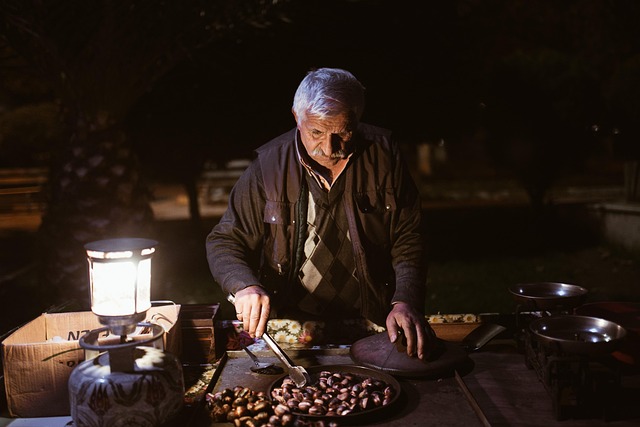
Korean street food evolves with the seasons, offering unique experiences throughout the year. Winter brings warming foods like hotteok, roasted sweet potatoes, and steaming fish-shaped pastries that provide comfort against Seoul's harsh cold.
Summer introduces refreshing options like patbingsu (shaved ice), cold naengmyeon noodles, and fruit-based drinks that help beat the humidity. Spring and fall offer the widest variety as vendors experiment with seasonal ingredients.
Planning your visit around seasonal specialties adds depth to your street food experience and ensures you taste foods at their peak freshness and cultural relevance.
Frequently Asked Questions
Is Korean street food safe for tourists with sensitive stomachs?
Korean street food maintains high safety standards, but spice levels and unfamiliar ingredients can cause digestive discomfort for newcomers. Start with milder options like gimbap or hotteok, then gradually work up to spicier dishes like tteokbokki. Choose busy stalls with high turnover and visible food preparation for the safest experience. Most tourists experience no issues when introducing Korean flavors gradually over several days.
How much Korean language do I need to order street food?
Minimal Korean language skills are sufficient for successful street food ordering. Learn basic numbers (하나/hana=one, 둘/dul=two) and "주세요" (juseyo=please give me). Most vendors understand pointing at menu items or prepared foods, and many popular areas have picture menus or English descriptions. Download a translation app as backup, but don't let language barriers prevent you from enjoying authentic Korean street food experiences.
What's the best time of day to experience Korean street food culture?
Evening hours between 6-9 PM offer the most authentic Korean street food experience when office workers join tourists for after-work snacks. Late-night pojangmacha (tent bars) operating until 3-4 AM provide the ultimate cultural immersion with local drinking and dining customs. Avoid midday hours when many vendors close for breaks, and remember that breakfast street food (near subway stations) operates only from 6-10 AM.
Planning a trip to Korea? Find the best beauty clinics with AI at KBBG (kbeautybuyersguide.com).
K-POP QUIZ
✨ Which K-Pop Idol Are You?
10 questions · 20 idols · BTS, BLACKPINK, IVE & more
Find Your Idol Match →Watch on K-MEDI TV
Find Your Perfect Korean Clinic
Get personalized AI recommendations from verified government data
Try KBBG AI Search →